Watercolor Strawberry Seamless Pattern Review
As a designer who has spent years navigating the intersection of digital art and physical thread, I approach every new machine embroidery design with a mix of excitement and skepticism. The gap between a pretty image on a screen and a durable, beautiful stitched product is where many projects fail. Today, I am putting the Watercolor Strawberry Seamless Pattern through that exact lens. This isn't just about whether the file downloads correctly; it is about whether this specific aesthetic translates well into a tangible, sellable item for your craft business or personal collection.
The First Impression: Mood and Visual Personality
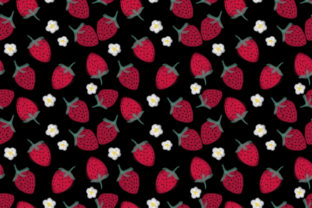
When I first opened the preview for the Watercolor Strawberry Seamless Pattern, the immediate feeling was one of soft nostalgia. It captures that classic summer vibe without feeling cliché. The watercolor effect relies heavily on gradients and soft edges, which presents an interesting challenge in the world of embroidery. Unlike a bold graphic logo, this design suggests fluidity and organic texture. For an Etsy seller or boutique owner looking to create a cohesive brand identity, this pattern offers a distinct visual personality that stands out against the sea of sharp, vector-based designs currently flooding the market.
The layout is seamless, meaning it repeats perfectly across a surface. This makes it ideal for background fills rather than focal point motifs. Visually, the strawberries are stylized enough to remain recognizable even when scaled down, but the watercolor washes require careful handling during the digitizing process to ensure they don't turn into muddy blobs of thread. If you are planning a line of custom apparel or handmade products, this design screams "spring collection" or "garden party," instantly setting a warm, inviting tone for your finished goods.
Testing the Design in Real-World Scenarios
To truly evaluate the Watercolor Strawberry Seamless Pattern, I need to imagine it in action. Let's say I am preparing a custom embroidered tote bag for a local farmer's market stall. Tote bags are a staple for small shop owners because they are practical and offer a large canvas. Using this pattern as a full-surface fill on a natural cotton canvas would be stunning. The organic nature of the watercolor style complements the rough texture of unbleached cotton, creating a high-end, artisanal look.
Alternatively, consider a sweatshirt embroidery project for a holiday gift line. Imagine the pattern running along the hem or cuffs of a cream-colored crewneck. Because the design is seamless, it creates a continuous border that feels more expensive than a single repeated icon. For baby embroidery, such as a receiving blanket or a nursery pillow cover, the soft colors and gentle shapes are perfect. Parents love items that feel safe and soothing, and this pattern delivers exactly that aesthetic without being overly loud or chaotic.
However, the application changes significantly if we move to an embroidered patch. While possible, the intricate blending of the watercolor effect might get lost in the smaller scale of a patch unless the stitch density is managed perfectly. In a commercial embroidery setting, where speed and durability are paramount, I would lean towards using this design on larger items like aprons or table runners where the eye can appreciate the gradient transitions from a slight distance.
Navigating Fabric Texture and Hoop Size
One of the most critical aspects of using the Watercolor Strawberry Seamless Pattern is understanding how it interacts with different fabrics. Watercolor effects rely on color blending, which can be tricky on textured materials. On a heavy denim jacket, the texture might break up the soft lines of the strawberries, making them look jagged. Conversely, on a smooth poplin or silk blend, the design will shine, allowing the fill stitch to mimic the paint strokes effectively.
You must also be mindful of your hoop size. Since this is a seamless pattern, you often need to stitch multiple blocks to cover an area. If you are working with a small hoop, the alignment between blocks becomes crucial. Any slight shift can ruin the illusion of a continuous pattern. I always recommend testing the design on scrap fabric first to check how the machine handles the repeat. Ensure that the transition points are invisible before committing to your final finished product.
Practical Designer Notes for Success
If you decide to incorporate the Watercolor Strawberry Seamless Pattern into your workflow, here are some essential tips based on my experience:
- Test Stitch Density: Watercolor effects often require lower density to maintain that airy, painted look. If the density is too high, the design will become stiff and lose its charm. Adjust the settings in your embroidery software to find the sweet spot between coverage and softness.
- Thread Color Selection: The magic of this design lies in its color palette. Do not simply use the default thread colors. Take the time to match your thread colors to the specific shades in the watercolor wash. Using variegated threads can sometimes enhance the gradient effect, but solid colors placed next to each other in short rows often yield a cleaner result.
- Stabilizer is Key: Because seamless patterns cover large areas, the fabric needs significant support. Use a cutaway stabilizer for stretchy fabrics like sweatshirts to prevent puckering. For lighter items like tea towels, a tear-away might suffice, but test it first.
- Mockup Before You Stitch: Create a printable mockup or a digital preview on your intended product. This helps you visualize how the pattern flows over seams and curves. It is much cheaper to adjust a digital file than to rip out hours of stitching.
- Licensing Check: Before selling any personalized gift or small shop product featuring this design, confirm the licensing terms. Some digital embroidery files are for personal use only, while others allow for commercial sales. Always verify this to protect your business.
Where to Be Careful with Application
While the Watercolor Strawberry Seamless Pattern is versatile, it is not a cure-all. There are scenarios where it should be used with caution. Avoid using it on very dark fabrics unless you are prepared to add a backing layer or use a topstitch technique to make the light colors pop. Without contrast, the delicate details of the watercolor wash will disappear.
Similarly, be wary of curved surfaces like caps. Sewing a complex, multi-color seamless pattern onto the dome of a hat can lead to distortion and registration issues. The tension required to fit the design around the curve might pull the threads, breaking the soft illusion of the watercolor effect. It is better suited for flat or gently curved surfaces.
Finally, consider the longevity of the product. Items that undergo frequent washing, such as kitchen towels or baby clothes, need robust stitching. Ensure that the running stitch outlines and satin stitch accents (if any) are secure. If the design relies too heavily on fine details that could fray over time, it may not be the best choice for high-wear items.
Final Thoughts on Value and Appeal
In the competitive world of handmade goods, standing out is everything. The Watercolor Strawberry Seamless Pattern offers a unique opportunity to elevate your craft business offerings. It adds a layer of sophistication and artistic flair that generic geometric patterns cannot match. When executed correctly, it enhances the perceived value of your finished product, allowing you to charge a premium for the extra care and design thought involved.
For the creative entrepreneur, this design asset is more than just a file; it is a tool for storytelling. It evokes feelings of warmth, nature, and creativity. Whether you are creating a holiday embroidery piece, a wedding gift, or a signature item for your online store, this pattern has the potential to resonate deeply with customers. Just remember to respect the technical requirements of embroidery, test thoroughly, and let the design breathe on the right fabric. With the right execution, the Watercolor Strawberry Seamless Pattern can become a cornerstone of your design portfolio.