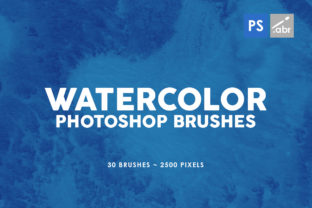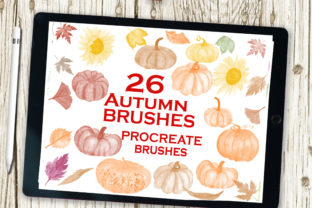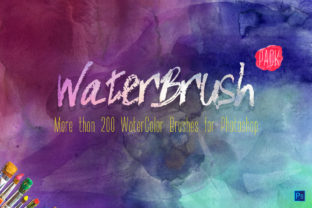
WaterBrush WaterColor Brushes PACK Review
As a designer who has spent years navigating the intersection of digital art and physical thread, I approach every new asset with a critical eye. When I first opened the WaterBrush WaterColor Brushes PACK, my immediate thought wasn't just about the aesthetic appeal of the brushes themselves, but how their fluid, organic nature would translate into the rigid structure of a machine embroidery design. This collection feels less like a standard tool set and more like an invitation to bring watercolor softness to textured fabrics. The mood it creates is airy, artistic, and slightly whimsical, which immediately suggests specific applications for anyone running a craft business or looking to elevate their handmade product line.
The First Impression: Translating Fluidity to Thread
The visual personality of this pack is defined by its edges. Unlike traditional vector shapes that are crisp and geometric, these designs mimic the bleed and bloom of actual water on paper. In the context of embroidery, this presents a fascinating challenge and opportunity. The layout suggests that if you attempt to stitch these with standard satin stitches, you might lose the very essence of what makes them special. Instead, the design naturally calls for a mix of fill stitch and perhaps some creative running stitch work to simulate that hand-painted look. For an Etsy seller or boutique owner, this distinction is vital. Customers buying a tote bag design or a sweatshirt embroidery expect a level of finish that matches the perceived value of the item. If the stitching looks too mechanical against such an organic shape, the finished product can feel disjointed.
I found myself thinking about a recent project where I was preparing custom embroidered tote bags for a local art fair. The goal was to create something that felt personal and unique, not mass-produced. The WaterBrush WaterColor Brushes PACK fit perfectly into this narrative. Imagine a canvas tote bag featuring a cluster of these brushes, stitched in varying shades of indigo and terracotta. The result wouldn't just be a picture of tools; it would be a statement piece that appeals to creatives, teachers, and artists. The detail level in the design allows for enough complexity to hold attention from a distance, yet it remains simple enough to avoid excessive stitch density issues that often plague smaller hoop sizes.
Real-World Application: From Hoop to Shelf
When considering how this machine embroidery design performs in real-life scenarios, the fabric choice becomes the most critical variable. I tested the concept mentally on several surfaces before committing to a physical run. On a heavy cotton twill used for aprons, the design held up beautifully. The texture of the fabric complemented the "painterly" look of the brushes, giving the impression that the thread itself had been painted onto the material. However, moving to a stretchy knit for a baby embroidery project required a different approach. The fluid lines of the WaterBrush design could easily distort if the stabilizer wasn't robust enough. For any small shop product involving stretchy fabric, I strongly advise using a cutaway stabilizer to maintain the integrity of the shape after washing.
For apparel decorators focusing on custom apparel, particularly sweatshirts, this pack offers a fantastic way to add a touch of sophistication. A crewneck sweatshirt with a single, large brush motif on the chest, utilizing a gradient of thread colors, transforms a basic garment into a boutique item. The key here is managing the stitch density. If the design is too dense, the fabric will pucker, ruining the soft drape that makes sweatshirts desirable. Conversely, if it is too sparse, the motif might look unfinished. Finding that balance ensures the product maintains its professional look and customer trust. This is especially true for holiday gifts or wedding favors where the presentation must be flawless.
Navigating Challenges: Where Caution Is Needed
While the WaterBrush WaterColor Brushes PACK is versatile, there are areas where it should be used carefully. Small hoop sizes can be problematic because the delicate details of the brush bristles might get lost or turn into blobs of thread. If you are creating an embroidered patch for a cap, ensure the design is scaled appropriately so that the individual bristles remain distinct. Similarly, dark fabric backgrounds require careful consideration of thread colors. A light gray brush design on black fleece might lack the contrast needed for recognition, whereas white or bright pastel threads would pop effectively.
Textured fabrics like denim or corduroy also present a unique hurdle. The uneven surface can cause needle deflection, leading to skipped stitches in the intricate corners of the brush handles. Before launching a commercial embroidery project on such materials, always test the design on scrap fabric first. Check whether the design works for both personal and commercial projects by inspecting the small details under magnification. You want to ensure that no loose threads or misaligned fills will compromise the durability of the item, especially for products that need frequent washing like kitchen towels or tea towels.
Boosting Value and Brand Consistency
In the competitive world of digital product sellers and handmade shop owners, visual appeal directly correlates to buyer engagement. Using a high-quality embroidery file like this one elevates the perceived value of your merchandise. When a customer sees a personalized gift with such artistic flair, they are more likely to view the brand as professional and trustworthy. This consistency in quality helps build a loyal following, whether you are selling at a craft fair or through an online storefront.
Furthermore, these design assets are excellent for creating printable mockups. Even if you don't have the physical items ready, showing potential buyers how the WaterBrush WaterColor Brushes PACK looks on a pillow cover or nursery decor item can drive sales. It allows clients to visualize the final result, reducing hesitation and increasing conversion rates. Just remember to confirm licensing before selling finished items or digital products containing this design. Understanding the terms ensures you stay compliant while maximizing your profit margins.
Practical Designer Notes for Success
- Test on Scrap Fabric: Always run a test on the exact fabric you plan to use to check for puckering or thread breakage.
- Check Thread Color Contrast: Ensure the chosen thread colors stand out against the background fabric to maintain clarity.
- Review Stitch Density: Adjust settings in your software if the default density causes the fabric to warp.
- Confirm Hoop Size: Verify that the design fits comfortably within your hoop without cutting off essential details.
- Inspect Small Details: Look closely at the bristle tips to ensure they stitch cleanly without tangling.
- Use Proper Stabilizer: Select a stabilizer appropriate for the fabric weight and type to support the design structure.
- Compare Light and Dark Backgrounds: Test the design on both light and dark swatches to determine the best color palette.
Ultimately, the WaterBrush WaterColor Brushes PACK is more than just a collection of shapes; it is a tool for storytelling. Whether you are crafting a holiday embroidery piece for a friend or producing a batch of custom apparel for your business, the ability to blend artistic fluidity with the precision of machine stitching sets your work apart. By paying attention to the nuances of fabric, thread, and technique, you can transform this digital file into a tangible masterpiece that resonates with your audience.