Digital Paper Pink Watercolor Flowers Review
As a designer who has spent years translating digital art into tangible thread, I approach every new machine embroidery design with a mix of excitement and skepticism. The market is flooded with patterns that look stunning on a screen but fall apart under the needle. When I first opened the file for Digital Paper Pink Watercolor Flowers, my immediate reaction was to assess whether this soft, artistic aesthetic could survive the rigors of actual stitching without losing its charm. This review isn't about listing specs; it's about understanding how this specific pattern performs in the real world of craft businesses, Etsy shops, and custom apparel projects.
The First Impression: Softness Meets Structure
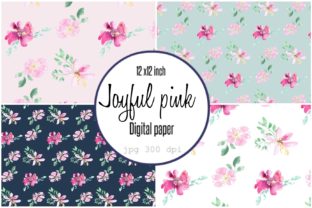
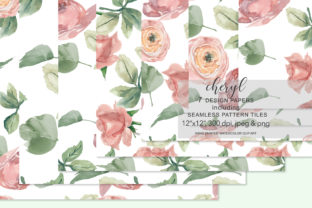
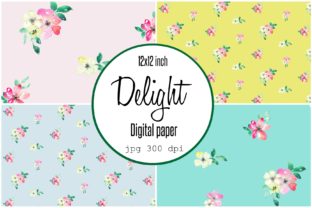
The visual personality of Digital Paper Pink Watercolor Flowers is undeniably gentle. It captures that dreamy, blended quality of watercolor paint, which is notoriously difficult to replicate with thread. In the digital preview, the gradients are smooth, and the edges have that characteristic bleed you see in traditional painting. However, as an experienced reviewer, I know that thread cannot truly "bleed" like ink. The challenge lies in how the designer has interpreted these soft edges using fill stitch and satin stitch techniques.
Upon closer inspection of the embroidery file, the layout feels organic rather than rigid. The flowers are arranged in a way that suggests movement, making them perfect for Patterns that need to feel hand-painted rather than mass-produced. The detail level is moderate, avoiding the trap of being so intricate that it requires microscopic precision. This balance is crucial for anyone looking to create a handmade product that feels premium yet remains practical to produce in volume.
A Real-World Scenario: The Custom Tote Bag Project
To truly test the viability of this design, let's imagine a specific scenario: preparing a line of custom embroidered tote bags for a small boutique shop. These bags are made from sturdy canvas, a fabric that can sometimes hide fine details if the stitch density isn't right. I visualize placing Digital Paper Pink Watercolor Flowers on the side panel of a natural-colored tote. The pink hues would pop beautifully against the neutral background, creating an instant focal point.
In this context, the design transforms from a simple image into a brand statement. Customers browsing an Etsy seller's shop or walking through a local craft fair are drawn to items that tell a story. A tote bag featuring this floral motif suggests a love for nature, art, and femininity. It elevates the item from a utility object to a fashion accessory. The key here is ensuring the hoop size accommodates the full spread of the flowers without crowding the stitches. If the design is too tight, the watercolor effect gets lost, and the petals look blocky. If spaced correctly, the result is a sophisticated tote bag design that justifies a higher price point.
Navigating Fabric Challenges and Stitching Clarity
While the design shines on stable fabrics like canvas or denim, we must discuss where caution is required. Embroidering delicate motifs like Digital Paper Pink Watercolor Flowers on stretchy fabrics, such as jersey knit for a sweatshirt embroidery project, requires careful planning. The elasticity of the fabric can distort the shape of the flowers during stitching, ruining the watercolor illusion.
I always recommend testing the design on scrap fabric first, especially when dealing with textured materials. On a thick wool sweater, the texture might interfere with the thread colors, making the soft pinks appear muddy. Conversely, on dark fabric, the light pink tones might disappear unless the design includes a backing layer or a dense underlay. For dark fabric applications, you may need to adjust the color palette or add a white fill underneath to ensure visibility. Additionally, curved surfaces like caps present a unique challenge; the design needs to flow with the curve rather than fighting against it. If the flower shapes are too angular, they will not sit well on the rounded brim of a hat.
Strategic Use in Commercial Projects
For small business owners and creative entrepreneurs, consistency is key to building trust. Using Digital Paper Pink Watercolor Flowers across various products creates a cohesive brand identity. Imagine this design appearing on a baby embroidery item, such as a onesie or a nursery pillow cover. The softness of the flowers aligns perfectly with the gentle aesthetics parents look for in baby gear. It signals care and attention to detail, enhancing the perceived value of the finished product.
This versatility extends to holiday gifts and personalized items. A kitchen towel or an apron featuring these flowers makes for a charming hostess gift. The design is subtle enough not to overwhelm the user but distinct enough to be memorable. When selling these as personalized gifts, the emotional connection is strong. Customers aren't just buying thread on fabric; they are buying a piece of art that fits their home decor style.
However, designers must be mindful of commercial embroidery limitations. If you plan to sell the physical goods, ensure your licensing allows for it. Some digital product sellers restrict the number of items you can make. Always confirm the license terms before launching a large production run. Furthermore, consider the washing durability. Designs with high stitch density can stiffen the fabric over time, especially on items like tea towels that get washed frequently. A lighter stitch count might be preferable for longevity, even if it sacrifices a tiny bit of visual impact.
Practical Designer Notes for Success
- Test Before You Commit: Never skip the test run on scrap fabric. Check how the running stitch outlines hold up and if the fill areas look smooth.
- Stabilizer is Non-Negotiable: For a design with soft edges like this, use a tear-away or cut-away stabilizer appropriate for your fabric weight to prevent puckering.
- Color Contrast Matters: Review your thread colors against the fabric. Ensure the pinks don't blend into a beige background.
- Hoop Size Verification: Confirm the dimensions fit your hoop comfortably. Forcing a large design into a small hoop will ruin the proportions.
- Mockup Testing: Create a printable mockup in black and white to check the contrast and clarity before spending thread.
- Licensing Check: Verify if the digital embroidery file permits commercial use for unlimited sales or if there are restrictions on craft business output.
In conclusion, Digital Paper Pink Watercolor Flowers is a versatile asset for designers willing to put in the groundwork. It offers a beautiful, artistic vibe that stands out in a sea of generic geometric patterns. Whether you are creating a one-of-a-kind embroidered patch or stocking shelves with small shop product merchandise, this design has the potential to elevate your work. By respecting the technical requirements of embroidery and choosing the right applications, you can turn this digital pattern into a profitable and beautiful reality.